
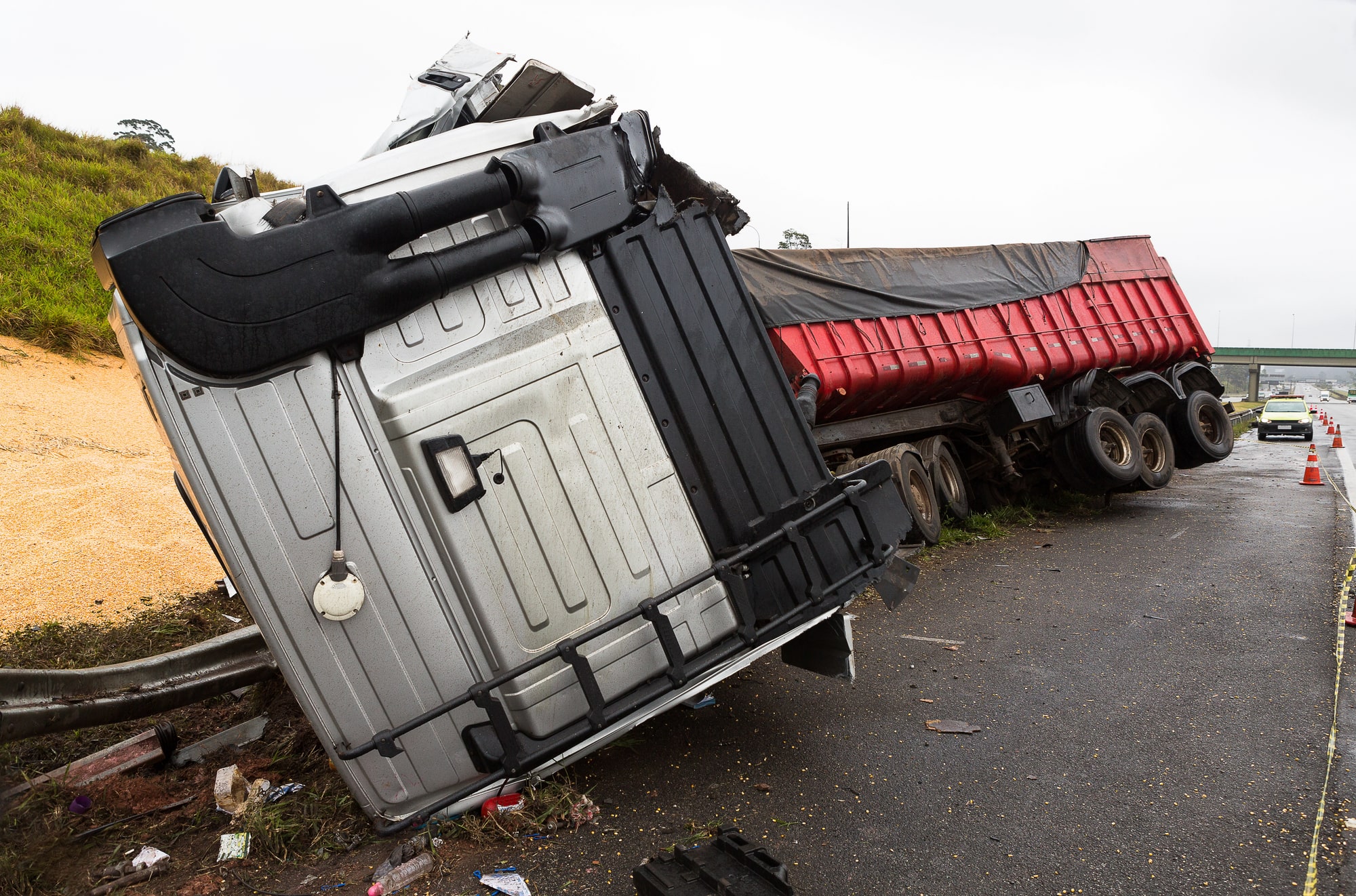
A driver merges onto the highway, checks mirrors, and moves into the right lane—directly beside a tractor-trailer. From the car’s perspective, everything looks clear. From the truck driver’s elevated cab, that car has completely vanished. When the truck begins changing lanes or turning, the passenger vehicle is still invisible. By the time anyone realizes what’s happening, the outcome is already decided. The smaller vehicle gets crushed, sideswiped, or forced off the road—sometimes with the truck driver never knowing another vehicle was there.
Below, our friends at Warner & Fitzmartin – Personal Injury Lawyers explain how blind spots factor into truck accidents.
Understanding No-zones
The Federal Motor Carrier Safety Administration doesn’t call them blind spots—they call them “no-zones,” and the name fits. These aren’t small areas where visibility is slightly reduced. They’re massive spaces where entire vehicles disappear completely from a truck driver’s view. According to FMCSA, one-third of all collisions between large trucks and passenger vehicles occur in these blind spots.
Every vehicle has blind spots, but commercial trucks operate on a completely different scale. Passenger cars have rear-view mirrors, side mirrors, and in many newer vehicles, cameras and sensors that minimize blind areas. Truck drivers sit in elevated cabs without rear-view mirrors, relying entirely on oversized side mirrors that still leave enormous gaps in visibility. The sheer size of tractor-trailers—which can stretch 75 feet long, stand 14 feet tall, and weigh up to 80,000 pounds—creates blind spots that can hide multiple passenger vehicles simultaneously.
The Four No-zones
The right side represents the deadliest blind spot. This “death zone” spans nearly two lanes wide and runs the entire length of the trailer. A car could drive alongside a truck for miles, completely invisible to the truck driver. This blind spot accounts for approximately 40 percent of all truck-related sideswipe accidents.
The rear blind spot extends up to 200 feet behind the trailer—roughly the length of five school buses. Trucks lack rear-view mirrors entirely. A driver following too closely is completely invisible, and rear-end collisions in this zone often result in severe injuries because the passenger vehicle has nowhere to go.
The left side blind spot, while smaller than the right, still spans one lane wide and covers roughly half the trailer’s length. Cars attempting to pass may think they’re visible, but they’re traveling through a zone where the driver cannot see them.
The front blind spot extends about 20 feet directly in front of the truck’s cab. The elevated seating position creates a massive blind area immediately ahead. Cars that cut in front of trucks or stop too close at intersections disappear beneath the hood line.
When Blind Spots Become Crashes
The FMCSA’s Large Truck Crash Causation Study examined nearly 1,000 crashes involving large trucks. In 14 percent of these accidents, at least one contributing cause was the driver’s failure to properly check blind spots. According to FMCSA data, one-third of all collisions between large trucks and passenger vehicles occur in blind spots. These aren’t minor fender-benders—they’re crashes where victims suffer traumatic brain injuries, spinal damage, crushed limbs, and death.
Recent crash data from the National Highway Traffic Safety Administration shows the devastating pattern. Thirty percent of all fatal truck accidents involved the front of a truck striking the side or rear of another vehicle—classic blind spot collision scenarios. An additional 21 percent of deadly truck crashes resulted from vehicles colliding with the rear of trucks, often because they were following too closely in the rear blind zone.
The weight differential makes these accidents particularly devastating. An 80,000-pound fully loaded truck striking a 4,000-pound passenger car isn’t a collision between equals—it’s a catastrophe. The truck’s mass and momentum mean passenger vehicles get crushed, rolled, or pushed off roadways. Occupants face injuries that fundamentally alter their lives, if they survive at all.
Driver Responsibility And Technology
Commercial truck drivers receive specific training on blind spot management and mirror checking. Federal regulations require them to check mirrors every 8 to 10 seconds and ensure lanes are clear before changing position. When drivers fail to follow these protocols—whether due to distraction, fatigue, inexperience, or negligence—they create conditions for blind spot crashes.
Modern technology offers solutions. Research suggests that blind spot detection technology alone could prevent nearly 39,000 truck crashes annually, including approximately 2,000 that result in injuries and 79 that cause deaths. Yet many trucks on the road lack these safety features despite their proven effectiveness.
The Bottom Line
No-zones aren’t theoretical dangers—they’re massive blind areas where passenger vehicles vanish from truck drivers’ view, leading to thousands of crashes that cause catastrophic injuries and deaths. A good truck accident lawyer knows that, while passenger vehicle drivers bear some responsibility for staying out of these zones, truck drivers have professional duties to check their blind spots thoroughly before every lane change, turn, and maneuver. When trucks equipped with outdated mirrors and no modern detection systems share roads with smaller vehicles, the size and weight differential creates scenarios where even minor mistakes become life-altering events. The victims of these crashes—and their families—understand all too well that blind spots aren’t just visibility issues. They’re accountability questions about whether drivers checked their mirrors, whether companies provided adequate training, and whether available safety technology could have prevented injuries that change everything.
