
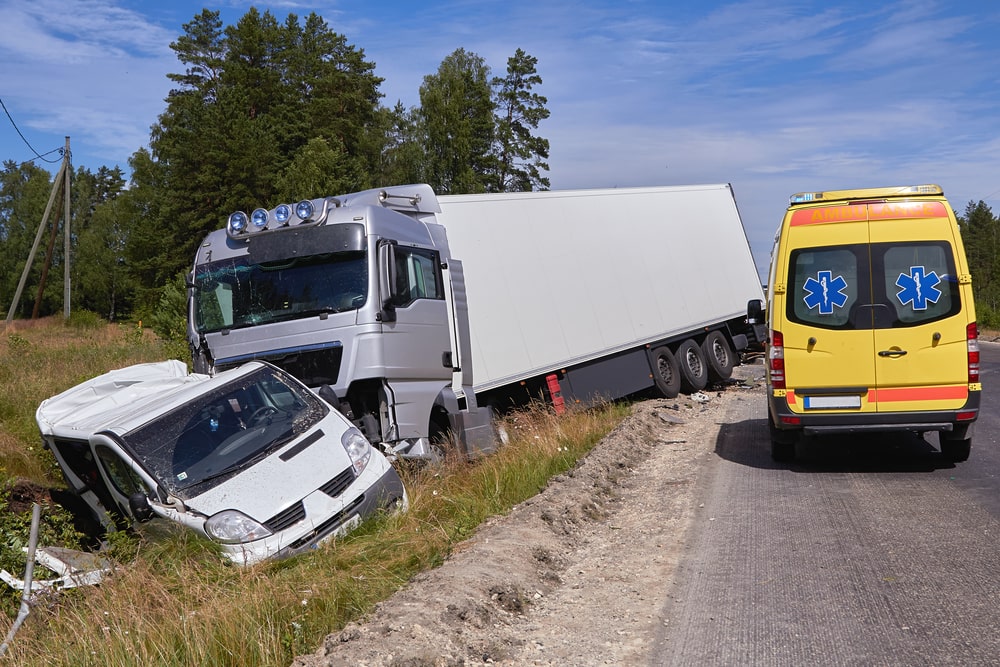
Police reports from accident scenes provide valuable documentation that significantly impacts injury cases. These official records created by law enforcement officers carry substantial weight with insurance companies and courts.
Our friends at Johnston | Martineau PLLP discuss how strong police reports strengthen claims while problematic reports create obstacles that require strategic handling. A semi truck accident lawyer knows how to use favorable reports effectively and overcome unfavorable ones through additional evidence and witness testimony.
These six reasons explain why police reports matter so much to injury cases.
1. Police Reports Establish Official Accident Records
Officers create contemporaneous documentation of accident circumstances, vehicle positions, road conditions, and weather factors. These official records made at the scene while evidence was fresh provide foundational documentation for your case.
According to the National Highway Traffic Safety Administration, police accident reports serve as primary documentation for traffic collisions.
Insurance companies and courts rely heavily on police reports as objective accounts of what happened. Reports created by neutral third parties carry more credibility than statements from parties with financial interests in outcomes.
2. Officers Document Their Observations And Findings
Police reports include officer observations about driver behavior, vehicle damage and positions, skid marks and debris fields, traffic control device status, and witness statements collected at scenes.
These professional observations provide evidence beyond what you can offer through your own testimony. Officers trained in accident investigation notice details and document conditions that non-professionals might miss or forget.
3. Citations Establish Fault Presumptions
When officers issue traffic citations to other drivers for violations causing accidents, these citations create strong presumptions of fault. Violations documented in reports including running red lights or stop signs, speeding or reckless driving, following too closely, and improper lane changes establish liability.
While citations alone don’t prove negligence in civil cases, they provide powerful evidence that other drivers violated traffic laws causing your injuries.
4. Reports Preserve Witness Information
Officers collect contact information from witnesses at accident scenes. Without police reports, you might not know witnesses exist or have any way to contact them later when their testimony becomes important.
Police reports provide witness names, addresses, phone numbers, and brief statements about what they observed.
We use this information to contact witnesses and obtain detailed statements supporting your version of events. Witnesses identified in police reports often make the difference between successful and failed claims.
5. Diagrams Show Accident Dynamics
Most police reports include diagrams showing vehicle positions, impact points, traffic flow, and road configurations. These visual representations help insurance adjusters and juries understand how accidents occurred.
Diagrams created by officers at scenes provide objective illustrations that clarify confusing accident circumstances. They show spatial relationships and movements that written descriptions alone cannot convey effectively.
6. Reports Counter Defense Claims About How Accidents Happened
When defendants or their insurance companies claim accidents happened differently than you describe, police reports provide independent verification of facts. Officers with no stake in outcomes document what they found at scenes.
Defense attempts to shift blame or deny liability face serious obstacles when police reports contradict their claims. Reports showing officers determined other drivers caused accidents substantially strengthen your case.
Understanding Report Limitations
Police reports aren’t perfect evidence. They have important limitations including potential officer errors or inaccuracies, incomplete information when officers arrive after parties leave, reliance on driver statements that might be false, and inability to determine fault in all situations.
Officers sometimes decline to assign fault in reports, particularly in complex accidents or when no traffic violations are apparent. These neutral reports neither help nor hurt claims directly.
We supplement police reports with additional evidence including witness statements, accident reconstruction analysis, surveillance footage, and photos documenting conditions. Reports provide starting points rather than complete evidence.
Handling Unfavorable Police Reports
Sometimes police reports contain information that hurts your case. Perhaps officers incorrectly assigned fault or included inaccurate driver statements. These problematic reports require strategic handling.
We overcome unfavorable reports by gathering contradictory evidence from witnesses, photos, and accident reconstruction showing officers’ conclusions were incorrect, demonstrating reports contain factual errors undermining their accuracy, and presenting evidence reports omitted or failed to consider.
Unfavorable reports create challenges but don’t doom cases when strong contradictory evidence exists.
Obtaining Police Reports
Get copies of police reports as quickly as possible after accidents. Reports typically become available within days or weeks depending on jurisdiction. Some police departments provide online access while others require in-person requests.
We obtain official reports and review them carefully for helpful information, inaccuracies requiring correction, and witness contacts needing follow-up.
Early report review allows us to preserve evidence, contact witnesses before they become unavailable, and develop case strategies based on what reports contain or omit.
Using Reports Strategically
Strong police reports showing clear fault by other drivers become centerpieces of settlement demands. We present report findings prominently when negotiating with insurance companies or preparing for trial.
Weaker reports get supplemented with additional evidence and de-emphasized during negotiations. Our strategy adapts to what reports contain and how they affect your case.
Maximizing Report Value
Police reports matter because insurance companies and courts give them substantial weight. Favorable reports dramatically strengthen claims while unfavorable ones create obstacles requiring additional evidence to overcome.
The best approach is calling police to accident scenes whenever possible and providing accurate information to officers without admitting fault or speculating about what happened beyond what you directly observed.
Never leave accident scenes without police documentation unless circumstances absolutely prevent waiting for officers. Missing police reports mean missing important evidence that could strengthen your claim significantly.
Contact an experienced attorney who will obtain and analyze police reports thoroughly, use favorable report findings strategically in negotiations, overcome problematic reports with contradictory evidence, and maximize your compensation regardless of whether police reports help or hurt your case through comprehensive evidence gathering that goes beyond official documentation to prove your injuries deserve fair compensation.
